The 80/20 Rule: How to Fit “Junk Food” Into Your Weight Loss Macros
This is my personal experience.
When I used the Calculate Macros tool, I realized that there are many helpful tools available online that can provide useful health-related information and guidance in a simple way.
This tool helped me better understand:
Daily calorie balance
Protein, carbs, and fat intake
Basic nutrition planning
General health awareness
After using it, I became more conscious about my eating habits and lifestyle. It gave me useful estimates based on my age, weight, and goals, which helped me improve my daily routine and reduce unhealthy eating habits.
However, it is very important to understand that tools like Calculate Macros are only for informational and educational purposes. They are not a replacement for a doctor, dietitian, or healthcare professional.
Users should always consult a qualified expert for proper medical, diet, or health advice. These tools simply help users gain awareness and understand general nutrition in an easier way.
For me, this tool was very helpful in improving my routine and understanding my nutrition better.
If you think losing weight means eating nothing but boiled chicken and broccoli, I have good news for you. As a developer who spends long hours at a desk, I know that strict diets are impossible to maintain. That is where Flexible Dieting (IIFYM) and the 80/20 Rule come in.
In this guide, I will show you exactly how to calculate macros so you can enjoy your favorite “junk foods” while still transforming your body.
The goal here is calorie deficit sustainability. By allowing yourself a small amount of what you love, you prevent the binge-eating cycles that destroy most weight loss journeys.
💡 My Expert Pro-Tips from 7 Years of Experience:
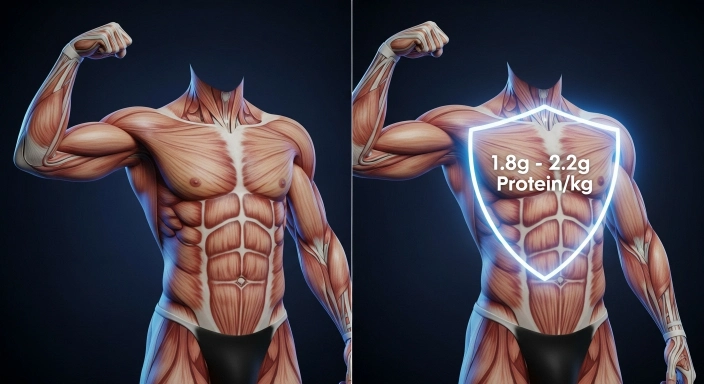
The Protein Buffer: On days you plan to use your 20% for a treat, “front-load” your protein during breakfast and lunch. I’ve found that hitting your 1.8g to 2.2g per kg goal early gives you the technical freedom to enjoy a burger later without risking muscle loss.
The “Hidden” 20%: Be careful—in my 7 years of data tracking, I’ve seen “junk food” calories add up faster than expected. Use a kitchen scale for your 20% treats to ensure your “pizza night” doesn’t accidentally become a 50% calorie surplus.
Environment & Hunger: Remember that your local climate affects your cravings. If you are in a Cold environment, your body might crave denser “soul foods” for warmth. Use our calculator’s climate toggle to ensure your TDEE is high enough to accommodate these natural shifts.
How to Calculate Macros for Weight Loss: A Step-by-Step Guide
To make the 80/20 rule work, you must first know your numbers. Here is the professional way to do it:
Step 1: Find Your TDEE
Your Total Daily Energy Expenditure (TDEE) is the total number of calories you burn in 24 hours. You can use the GetCalcBase Macro Calculatorto find this instantly, as it accounts for your age, weight, and even your local climate.
Step 2: Set Your Calorie Deficit
For fat loss, subtract 500 calories from your TDEE. This is the “Gold Standard” for losing about 1lb (0.5kg) of fat per week without losing muscle.
Step 3: Determine Your Macronutrient Ratios
Once you have your calorie target, you need to split it into three categories:
Protein: Aim for 1.8g to 2.2g of protein per kg of body weight. This is vital for muscle preservation.
Fats: Aim for 20-30% of your total calories. Fats are essential for hormone health.
Carbohydrates: Fill the remaining calories with carbs to fuel your brain and workouts.
Pro Tip: Remember that 1g Protein = 4 cal, 1g Carbs = 4 cal, and 1g Fat = 9 cal.
If your daily target is 2,000 calories, the 80/20 rule allows for 400 caloriesof “fun foods.”
You spend 1,600 calories on eggs, oats, chicken, rice, and salad.
You have 400 calories left for a couple of slices of pizza or a chocolate bar.
As long as you hit your protein ratio for fat loss within that 80%, the remaining 20% won’t stop your progress. This is the secret to flexible dieting.
Why This Method Beats “Clean Eating”
Feature
Strict Clean Eating
80/20 Flexible Dieting
Cravings
Extremely High
Very Low
Social Events
You stay home/bring Tupperware
You eat out and stay on track
Consistency
Usually lasts 2 weeks
Can last a lifetime
Metabolism
Risk of metabolic adaptation
Stays healthy due to diet breaks
People Also Ask (PAA) – Answered
How many macros should I eat to lose weight?
For most people, a macro split of 40% Protein, 35% Carbs, and 25% Fats works best for weight loss. However, the exact grams depend on your TDEE and activity level.
Can I lose weight just by counting calories?
While you can lose “weight” by only counting calories, counting macros ensures you lose fat and keep your muscle. This prevents the “skinny-fat” look.
What happens if I go over my macros for one day?
Don’t panic. One day won’t ruin your progress. Just return to your targets the next day. Consistency over months matters more than perfection over days.
3 Steps to Control Your Environment and Weight with 80/20
Plan Ahead: If you know you’re going to a party tonight, keep your breakfast and lunch “80% clean” and high-protein.
Track Everything: Use a tool like our [Macro Tracker] to ensure your 20% doesn’t accidentally turn into 50%.
Prioritize Protein: Even when eating “junk food,” try to pick options that have some protein to help hit your daily goal.
Conclusion: Sustainability is the Key
Learning how to calculate macros is the most powerful skill you can acquire in your fitness journey. It removes the guesswork and the guilt. By following the 80/20 rule, you are not just “dieting”—you are building a sustainable lifestyle.
Ready to start? Use our [Precision Macro Calculator] to get your personalized numbers today and start your 80/20 journey with confidence!
Note/Disclaimer:This content is for educational purposes. For specific medical conditions or eating disorders, please consult a healthcare professional before starting a macro-tracking plan.